Flower & Perennial Spacing Chart & Planner
Calculate exact plant counts, flower clusters, container orders, and mulch needs for flower beds, borders, and pollinator gardens.
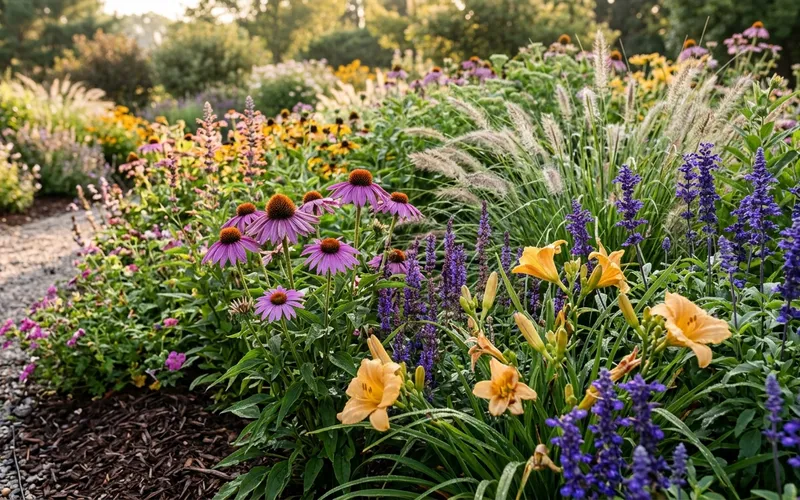
Perennial & Border Planner
3-Level Flower Bed Heights & Bloom Seasons
A beautiful flower border places low plants in front, medium plants in the middle, and tall blooms at the back, keeping color flowing all season. Pick a season above to see top flowers and heights for each layer:
Carpets soil along lawn edges, framing the border and crowding out early weeds before taller flowers wake up.
The main middle layer of the flower bed. Plants grow into 2-foot blooming mounds that hide fading spring bulb leaves.
Tall flower spires that add bold height against fences, stone walls, or evergreen hedges.
Flower Crowding & Airflow Guide
Common on tall phlox, bee balm, and asters planted too closely against walls or fences. Stagnant, humid air trapped between crowded leaves lets powdery mildew flourish.
4 Steps to Plant a Beautiful Flower Border
Loosen Soil for Drainage
Most perennial flowers rot if water pools around their roots in winter. Mix in 2 inches of compost or coarse grit to help wet soil drain easily.
Set Out Your Pots First
Arrange your potted plants on top of the soil before digging any holes. Step back across the yard to check heights, colors, and natural-looking clusters.
Free Roots & Match Depth
Gently untangle any roots that are tightly spiraling inside the pot. Place the plant so the base of the stems sits level with the soil—burying stems too deep can cause rot.
Mulch with a Breathing Gap
Spread 2 inches of shredded bark mulch around the plants to keep weeds down, but leave a 2-inch gap around the base of the stems so moisture doesn't rot them.
Quick Plant Spacing & Density Chart
Recommended spacing for vegetables, flowers, perennials, and hedge shrubs based on university agricultural research. Search by plant name or filter by type.
| Plant | Space Between Plants | Space Between Rows | Best Layout | Source | Plan It |
|---|---|---|---|---|---|
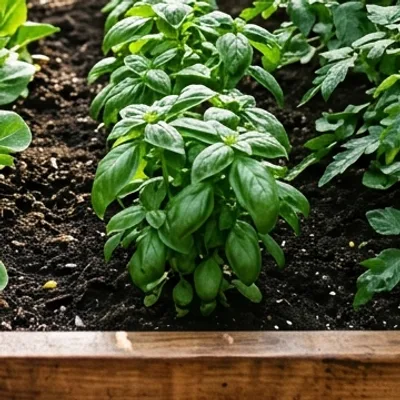 Sweet Basil Herb Bed / Garden Row | 10" (8–12") | 12" (10–18") | 10–14 in | University of Maryland Extension↗ | |
 Hosta (Medium Shade Plant) Shade Garden Bed | 24" (18–30") | 24" (18–30") | 24–32 in | University of Illinois Extension↗ | |
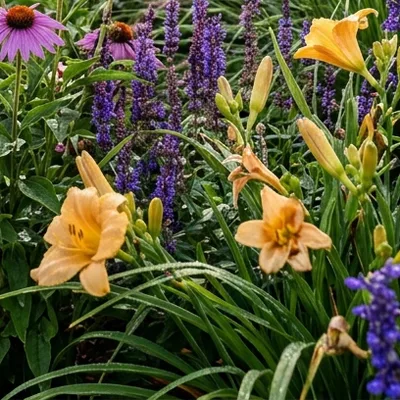 Daylily (Landscape Flower) Flowering Border Bed | 18" (15–24") | 18" (15–24") | 18–24 in | University of Illinois Extension↗ |
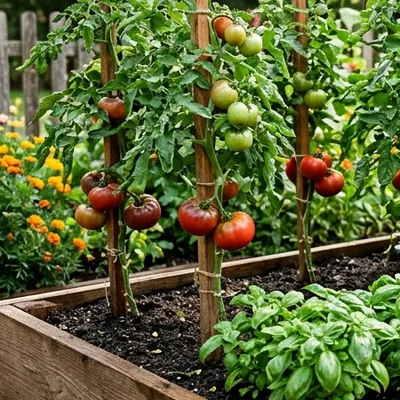






Vegetable Plant Spacing
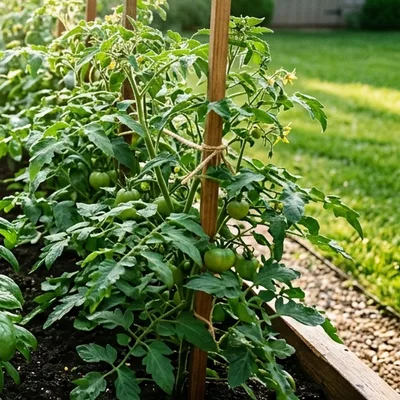
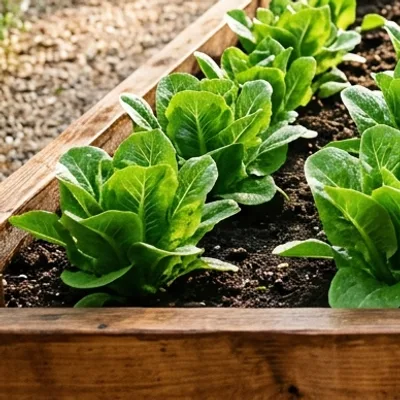
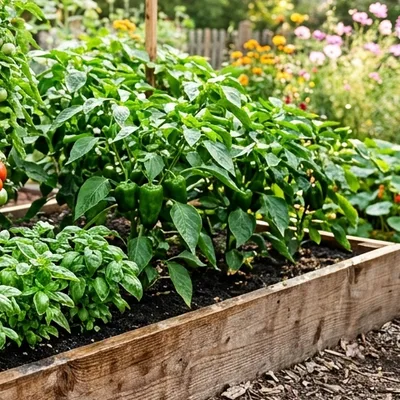
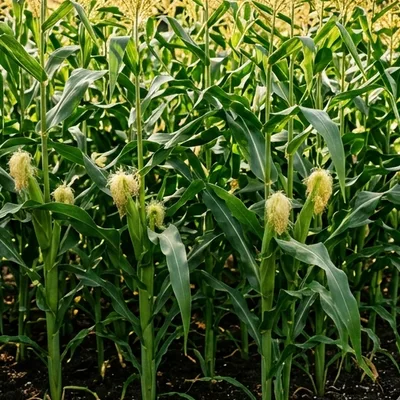
Bush tomatoes and compact vegetables can be planted closer together than large climbing varieties. Raised beds let you plant closer because you don't need wide walking paths between every row.
Herbs, Flowers, and Perennials
Space perennial flowers by their full-grown width so leaves gently touch once mature. This keeps weeds down while letting fresh air circulate.
Groundcovers and Low Shrubs
Groundcover starter plugs planted in a zigzag pattern fill in to form a dense green carpet faster than straight rows.
Hedges and Fruit Trees
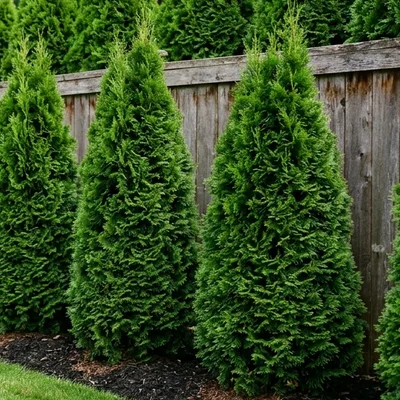
Hedge spacing depends on how fast you want a solid privacy screen. Fruit tree spacing depends mainly on the tree size (dwarf, semi-dwarf, or standard).
How to Calculate Flower Counts & How Many to Order
1. Zigzag Flower Bed Math
Use your bed area in square feet and spacing in inches:
For a 100 sq ft border with 18" coneflowers: 16,600 ÷ 324 ≈ 51 plants.
2. Extra Plants for Replacements
To cover broken stems during transport, winter freezes, or hungry wildlife:
Ordering 10% extra ensures you have matching varieties on hand if a few plants don't make it through their first year.
Flower & Perennial Border Spacing FAQs
How far apart should perennials be planted in a mixed border?+
As a general rule, space perennials about half to three-quarters of their full-grown spread apart. For tall back-of-border flowers that grow 36 inches wide (Delphinium, Hollyhock, Joe-Pye Weed), plant 24 to 30 inches apart. For mid-height flowers that grow 18 to 24 inches wide (Coneflowers, Black-Eyed Susans, Salvia), space them 15 to 18 inches apart. For low edging flowers at the front of the bed (Creeping Phlox, Alyssum, Dianthus), plant them 8 to 12 inches apart.
Why should perennials be planted in odd-numbered clusters rather than straight rows?+
Planting flowers in small groups of odd numbers (3, 5, 7, or 9 of the same plant) in soft, rounded clusters looks much more natural and flowing than planting in stiff, straight lines. As they grow together, they form a lush, seamless blanket of color.
What is the "leap year" rule for perennial clump growth?+
Gardeners have an old saying about perennials: "First year they sleep, second year they creep, third year they leap." In their first year, plants focus on growing roots underground. In their second year, leaves and clumps spread out nicely. By their third year, they explode with full-size blooms and touch their neighbors. Giving them proper spacing from day one prevents overcrowding once they reach full size.
How do I prevent powdery mildew on crowded garden phlox and bee balm?+
Space phlox plants at least 18 to 24 inches apart in full sun. In early spring, snip out a few of the crowded inner stems so breeze and sunlight can reach right into the center of the plant. Always water at the base of the plant, not over the leaves.
Explore Related Calculators
Raised Bed Spacing
Bed presets (4×8, 4×4, 2×4) with safe edge room from wooden walls.
Square Foot Gardening
Easy 1×1 ft grid planner for 1, 4, 9, and 16 plants per square.
Plant Row Spacing
Set plant-to-plant space and row distance with walking path room.
Hedge Spacing
Single straight rows or double zigzag hedges with fence gaps.
Circular Bed Spacing
Round garden beds with neat rings around a centerpiece plant.
Orchard & Tree Spacing
Dwarf, semi-dwarf, and standard fruit trees with wide mower paths.